
Why Access Should Be Considered Before Cleaning Begins
When planning commercial exterior cleaning, the first question is often:
“How are we going to clean it?”
But there’s a more important question facilities and property managers should ask first:
“How are we going to access it?”
The answer can determine everything from safety and efficiency to disruption, cost and the quality of the finished work.
At Clifton Cleaning Services, over 30 years of experience has taught us that the cleaning method shouldn’t dictate the access strategy.
Understand the building first. Plan the access. Then choose the right cleaning method.
Every Building Is Different
Commercial buildings rarely present straightforward access.
Height is only one consideration. Glazing may sit behind architectural features, above entrances, around canopies or within areas where equipment cannot easily be positioned.
Before deciding how a building should be cleaned, contractors should consider:
- Building height and design
- Ground conditions
- Pedestrian and vehicle movements
- Entrances and access routes
- Architectural obstructions
- Existing access systems
- Areas requiring exclusion zones
Two buildings of similar size can therefore require completely different approaches.
The Building Should Determine the Equipment
There is no single access method that works for every commercial property.
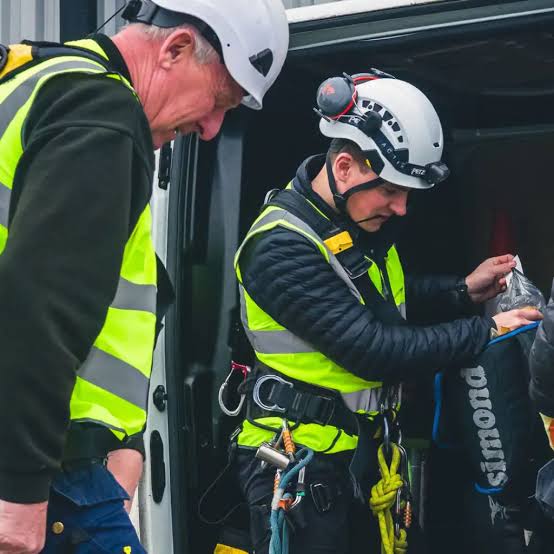
Depending on the site, Clifton can utilise water-fed poles, hydraulic platforms, soft washing, cradles or specialist rope access.
The important part isn’t simply having this equipment available.
It’s knowing which solution is appropriate.
A water-fed pole can provide an efficient ground-based solution, while other elevations may require a platform or cradle. Restricted or particularly difficult areas may be better suited to specialist rope access.
Some buildings may even require several methods during the same project.
Rather than making the building fit the equipment, the equipment should fit the building.
Better Planning Means Less Disruption
Facilities managers aren’t only concerned with the finished result. They also need the work to fit around the people using the building.
Positioning equipment across a busy entrance or carrying out work during peak pedestrian periods can create unnecessary disruption.
Good access planning considers how the site actually operates.
Could certain elevations be completed before employees arrive? Can entrances be tackled during quieter periods? Will pedestrian management be required?
At Clifton, understanding these factors is part of planning the job — not something considered once work has already started.
Access Planning Is Safety Planning
When working at height, safety must influence the methodology from the beginning.
The safest access method depends on the building, the surrounding environment and the work being undertaken.
That means assessing hazards and determining how operatives can safely reach each area before selecting the cleaning approach.
Clifton’s capabilities include specialist access solutions and IRATA-trained rope access operatives, allowing us to tackle challenging areas safely and effectively.
Don’t Let Difficult Access Create Forgotten Areas
Awkward sections of a building can easily fall outside routine maintenance.
Recessed glazing, high-level cladding, canopies and unusual architectural features may gradually accumulate dirt simply because they’re harder to reach.
A proper access assessment identifies these areas from the outset and incorporates them into the overall cleaning programme.
The question shouldn’t be:
“What can we reach?”
It should be:
“What’s the best way to reach everything that needs maintaining?”
Plan Beyond the Next Clean
For properties requiring regular exterior maintenance, good access planning also creates consistency.
Once the right approach has been established, future visits can be planned around known access requirements, site restrictions, working times and maintenance frequencies.
For facilities managers, that means fewer surprises and a more predictable maintenance programme.
The Clifton Cleaning Services Approach
At Clifton Cleaning Services, we’ve spent over 30 years maintaining commercial properties with very different access requirements.
That’s why we don’t begin with a predetermined cleaning method.
We begin with the building.
From water-fed poles and hydraulic platforms to cradles and specialist rope access, we determine the most appropriate solution for the site in front of us.
Because professional exterior cleaning isn’t simply about achieving a great finish.
It’s about finding the safest, smartest and least disruptive way to get there.
